Home » Without Label » Lower Back Muscles : Lower Back Pain Relief & Treatment Overview - Deep Recovery - You can also relax the muscles in your lower back with easy stretches.
Lower Back Muscles : Lower Back Pain Relief & Treatment Overview - Deep Recovery - You can also relax the muscles in your lower back with easy stretches.
Lower Back Muscles : Lower Back Pain Relief & Treatment Overview - Deep Recovery - You can also relax the muscles in your lower back with easy stretches.. Hold your knee to your chest for 10 seconds, then lower it to the floor. The four muscle groups that together make up the deep muscle group are the segmental muscles, the transversospinales, the erector spinae, and the spinotransversales. Stretching this muscle may help relieve pain and tightness in your buttocks and lower back. Giving the back its own workout would be overkill. However, strengthening your lower back muscles is actually one of the most effective treatments for back pain, particularly chronic pain!
If you're in poor physical condition, constant strain on your back can cause painful muscle spasms. Lower back pain is the most common sign of a weak core. The lower back is involved in almost every lift in the gym. One of the most common causes of lower back pain is lumbar strain. Lie on the ground and bend the knees, placing the.
Top 10 to Building a Strong Lower Back - Women Fitness from www.womenfitness.net Dull, achy low back pain. Lower back pain is the most common sign of a weak core. Lie on the ground and bend the knees, placing the. The lower back is involved in almost every lift in the gym. Depending on your set up. A strained muscle in your lower back can be quite painful. Lumbar (lower back) muscle strains and sprains are the most common causes of low back pain. Muscle problems and back pain most low back pain is caused by muscle strain or a sprain.
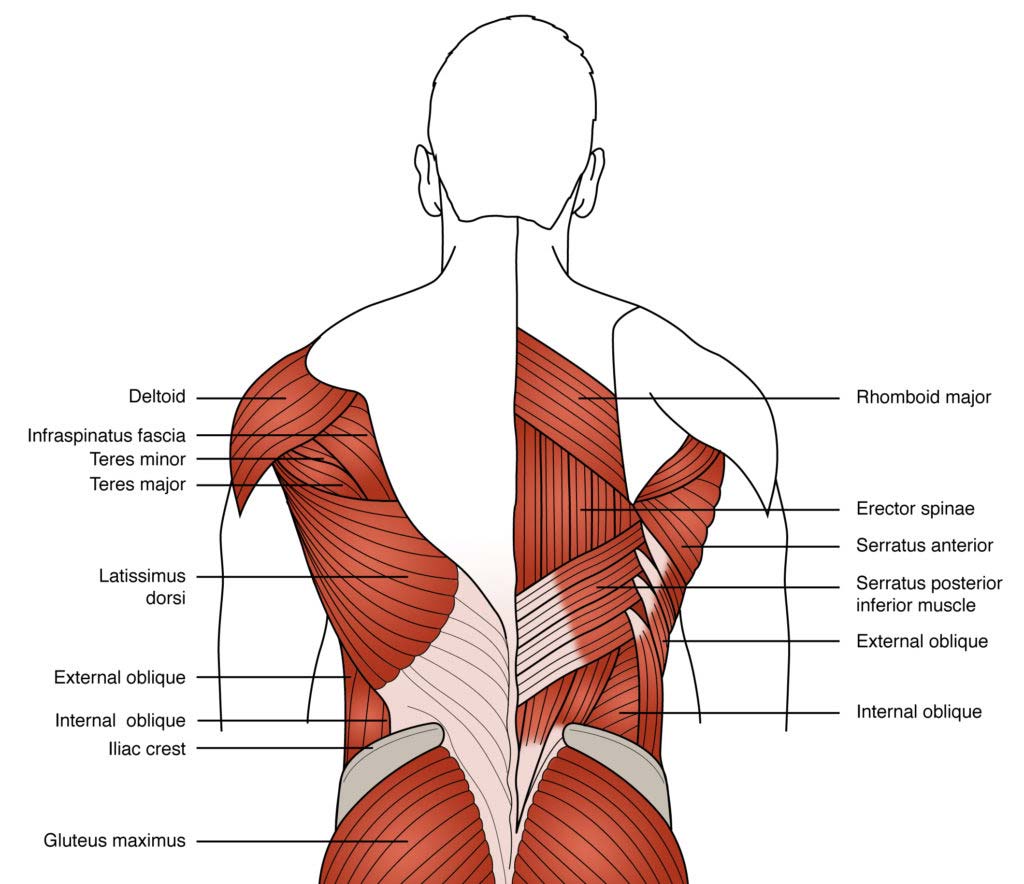
The quick answer to this question is the muscles of the lower back are the multifidus, longissimus, spinalis, and quadratus lumborum.
To do a piriformis stretch, follow these steps: In extension exercises, you bend backward to develop. Strength training can help your lower back. Physical therapy, yoga, or a home exercise program recommended by a chiropractor are extremely beneficial for muscle and core strengthening, and for posture, all of which will help ward off future muscle strains. You can also relax the muscles in your lower back with easy stretches. Learn how it happens and what you can do when it does. Most exercises used to strengthen the lower back work other muscle groups as well. In flexion exercises, you bend forward to stretch and strengthen the muscles of the back and hips. This is what precedes the pain in the lower back. Lumbar strain happens when you either overuse or improperly use your lumbar spine, which essentially refers to your lower back. Because of the dynamic, complex nature of the back and its system of nerves and muscles, not all causes of. Patients may or may not remember the initial event that triggered their muscle spasm, but the symptoms of a lumbar muscle strain can be severe. The muscles that move the upper legs (thigh) there are many muscles that move the large bone of the thigh.
Lumbar (lower back) muscle strains and sprains are the most common causes of low back pain. Because of the dynamic, complex nature of the back and its system of nerves and muscles, not all causes of. This is generally caused by core weakness, which includes weakness in the deep muscles of your lower back. Low back muscles and ligaments that undergo excessive or repetitive strain will 'give out' and go into spasm, says dr. A strained muscle in your lower back can be quite painful.
Lower Back Muscle Diag : Lower back pain in women: 7 ... from backpaindoctor.co.uk The erector spinae are the longest muscles in your body and are found on either side of the spine. Therefore the lower back should be worked in with legs, lower body or hamstrings. Depending on your set up. A lumbar strain is the most common cause of back stiffness. There are many causes for tight back muscles and consequent lower back pain, including stress from overuse, acute trauma, spinal arthritis, fibromyalgia, and contractions of the muscle sheath that covers and supports the spine. There are six major functional groups of muscles of the trunk: The pelvic floor muscles also help increase this pressure, which provides stability to the spine and trunk. These are typical symptoms you might experience:
Muscle strains and sprains are common in the lower back, because it supports the weight of the upper body and is involved in moving, twisting and bending.
Most exercises used to strengthen the lower back work other muscle groups as well. The quadratus lumborum muscles (orange, in the image above) are found in the lower back (also called the lumbar area). This is what precedes the pain in the lower back. 3 walking, cycling, and swimming are some good options for staying active while recovering from lower back muscle strains. A lumbar strain is the most common cause of back stiffness. Lie on the ground and bend the knees, placing the. They help to bend the back to one side or the other. Strained muscles usually feel sore, tight, or achy. There are many causes for tight back muscles and consequent lower back pain, including stress from overuse, acute trauma, spinal arthritis, fibromyalgia, and contractions of the muscle sheath that covers and supports the spine. The pelvic floor muscles also help increase this pressure, which provides stability to the spine and trunk. Try sitting in a chair with both feet flat on the floor. Pulled lower back muscles (strains and sprains) can be extremely painful, but rarely require medical intervention. Repeated heavy lifting or a sudden awkward movement can strain back muscles and spinal ligaments.
Therefore the lower back should be worked in with legs, lower body or hamstrings. Lumbar strain happens when you either overuse or improperly use your lumbar spine, which essentially refers to your lower back. Your back hurting more when you move, less when you stay still pain in your back. Lumbar (lower back) muscle strains and sprains are the most common causes of low back pain. The pelvic floor muscles also help increase this pressure, which provides stability to the spine and trunk.
Muscles Diagrams: Diagram of muscles and anatomy charts ... from i.pinimg.com Dull, achy low back pain. Try sitting in a chair with both feet flat on the floor. The erector spinae are the longest muscles in your body and are found on either side of the spine. Stretching this muscle may help relieve pain and tightness in your buttocks and lower back. A strained muscle in your lower back can be quite painful. The quick answer to this question is the muscles of the lower back are the multifidus, longissimus, spinalis, and quadratus lumborum. Pulled lower back muscles (strains and sprains) can be extremely painful, but rarely require medical intervention. Thanu jeyapalan, yorkville sports medicine clinic director.
The lower back is involved in almost every lift in the gym.
Symptoms to expect from a pulled lower back muscle—or any type of lower back strain—typically include: Stretching this muscle may help relieve pain and tightness in your buttocks and lower back. Strained muscles usually feel sore, tight, or achy. Pain that feels hot, tingling, or electric is more likely caused by an irritated nerve root, not a pulled muscle. Lumbar (lower back) muscle strains and sprains are the most common causes of low back pain. Several lifestyle factors could put you at greater risk for developing a pulled muscle in your back. Related posts of muscles of the lower back and buttocks diagram smooth muscle diagram labeled. There are many causes for tight back muscles and consequent lower back pain, including stress from overuse, acute trauma, spinal arthritis, fibromyalgia, and contractions of the muscle sheath that covers and supports the spine. 1 it also underscores the importance of doing a lower back workout. To do a piriformis stretch, follow these steps: These muscles include the large paired muscles in the lower back, called erector spinae, which help hold up the spine, and gluteal muscles. Physical therapy, yoga, or a home exercise program recommended by a chiropractor are extremely beneficial for muscle and core strengthening, and for posture, all of which will help ward off future muscle strains. Muscle strains and sprains are common in the lower back, because it supports the weight of the upper body and is involved in moving, twisting and bending.